Technical guide from Elpro Technologies
The Computing Layer in Industrial Automation
Industrial automation combines controllers, sensors, drives, operator interfaces and software to coordinate production. Industrial computers support visualization, data collection, machine vision, traceability and communication between equipment and enterprise systems. Their role is to provide a dependable computing layer that fits the control architecture and the physical environment of the plant.
Understand the Process Before Choosing Hardware
Map the production sequence, machine interfaces, data sources and decisions that must be made. Identify cycle-time requirements, critical alarms, downtime consequences and expected data volumes. Determine which functions belong in a PLC, which need an industrial PC and which can be handled by supervisory or cloud systems. Clear boundaries reduce complexity and improve maintainability.
Controllers, PCs and Operator Interfaces
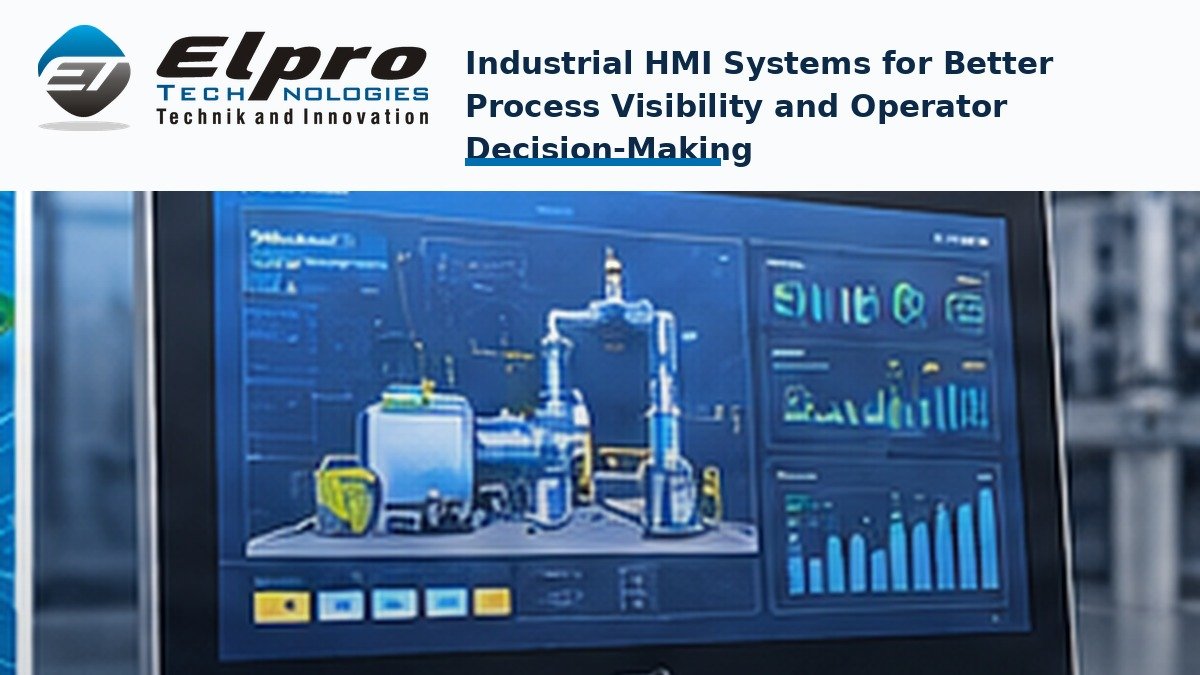
PLCs are commonly used for deterministic machine control, while industrial PCs handle flexible computing, visualization, data processing and applications such as machine vision. HMI panels provide operator interaction. These systems work together when responsibilities, protocols and failure behavior are clearly defined. Select hardware according to the role it must perform.
Industrial Connectivity and Protocols
Automation systems may use Ethernet-based industrial protocols, serial communication, OPC UA, Modbus or vendor-specific interfaces. Confirm protocol support, update rates, addressing and network segmentation. Separate machine control traffic from general office traffic where the architecture requires it. Test interoperability with actual controllers and software rather than assuming all devices communicate by default.
Edge Computing, Analytics and Traceability
Industrial PCs can collect machine data close to the process, normalize it and pass selected information to MES, historians or cloud platforms. Edge analytics can support quality inspection, anomaly detection and local dashboards. Traceability applications may link production records with barcode scans, images and timestamps. Data governance and retention should be defined before implementation.
Reliability, Safety and Cybersecurity
Automation reliability depends on power quality, thermal design, backups, spare parts and clear recovery procedures. Cybersecurity should include network segmentation, controlled accounts, secure remote access, patch management and configuration backups. Safety-related control functions must be engineered using the appropriate safety-rated components and standards; a general-purpose PC is not a substitute for a safety controller.
Industrial Automation Product Ecosystem
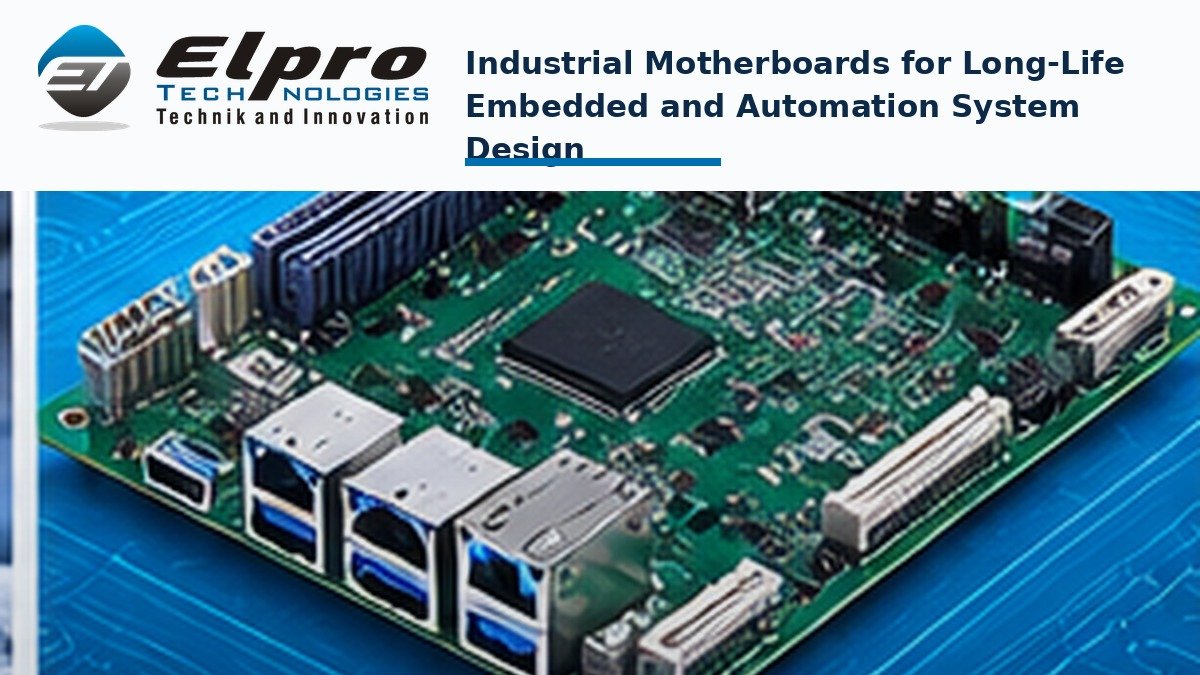
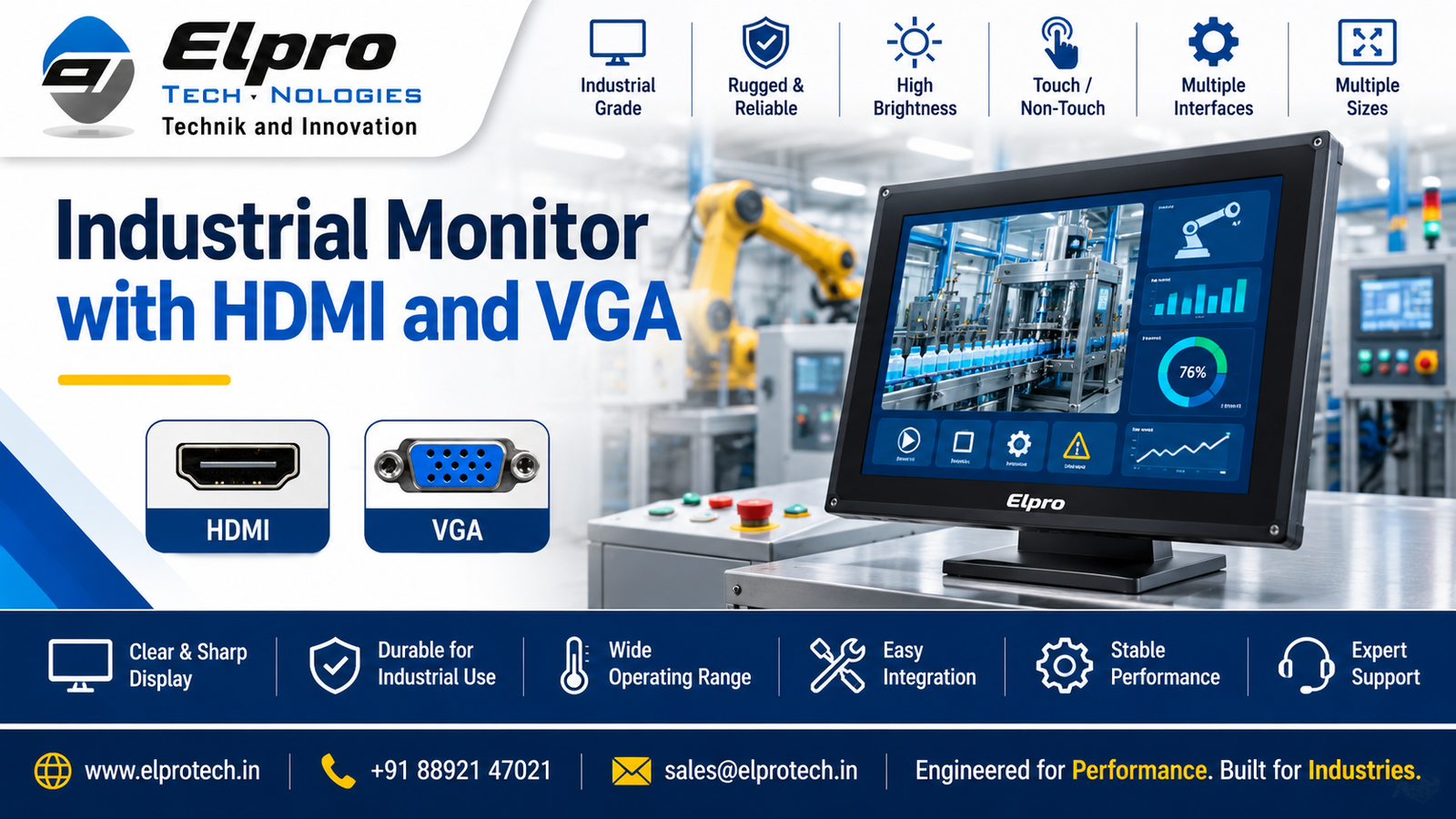
Typical hardware includes industrial PCs, fanless computers, Panel PCs, HMI displays, industrial motherboards, edge AI systems, network gateways, SSD storage, I/O modules and communication accessories. Choose the ecosystem as a compatible system and verify interfaces, software support and environmental ratings.
Deployment, Commissioning and Improvement
A phased deployment should begin with a clearly scoped machine or production cell. Test control communication, HMI behavior, data accuracy, alarms, cybersecurity and recovery before scaling. Record configuration versions and train operators and maintenance staff. Elpro Technologies can review industrial computing and display requirements for automation and process-control projects.
Related Industrial Products
- Industrial PCs
- Fanless industrial computers
- Industrial Panel PCs
- HMI systems
- Industrial motherboards
- Edge AI computers
- Industrial displays
- Network gateways and I/O accessories
Frequently Asked Questions
What is an industrial industrial automation?
It is a computing component or system intended for a defined industrial application. Exact specifications and supported functions depend on the model.
Where is it commonly used?
Typical uses include factory automation, machine control, process monitoring, equipment design, operator interaction and industrial data acquisition.
How do I select the correct configuration?
Begin with application software, processing needs, I/O, form factor, power, temperature, mounting and expected service life.
Which processor platform should I choose?
Choose based on software compatibility, compute requirements, power consumption and thermal limits. Benchmark the actual application where possible.
How important is lifecycle availability?
Industrial designs often need stable revisions and predictable replacement options. Confirm product lifecycle, revision policy and long-term supply arrangements.
What interfaces should I verify?
Check Ethernet, serial, USB, display, storage, expansion and any specialist interfaces against the system design.
Can it support industrial protocols?
Protocol support depends on the board, drivers and application software. Confirm the exact protocol and controller combination before procurement.
What environmental conditions matter?
Consider ambient temperature, dust, moisture, vibration, shock, electrical noise and service access at the final installation.
How should thermal performance be checked?
Evaluate component power, heatsink or enclosure design, airflow and cabinet temperature under sustained workload.
Can it be customized?
Customization may be possible for I/O, memory, storage, mounting or enclosure, subject to platform limits and project requirements.
What testing should be completed before deployment?
Validate boot, application compatibility, I/O, thermal behavior, power recovery and extended operation in a representative setup.
What information should be included in an enquiry?
Share the application, software, CPU load, memory, I/O, mounting, power, environmental conditions, quantity and expected lifecycle.
About Elpro Technologies
ELPRO TECHNOLOGIES
Technik and Innovation
#43, 2nd Cross Road, P&T Colony, R.T. Nagar, Bengaluru – 560032
sales@elprotech.in | info@elprotech.in
+91-8892147021 | +91-8892147023
www.elprotech.in